You don’t usually stop to think about water. You turn on the tap, fill a glass, start the dishwasher, wash your hands. It’s automatic. Background noise in the rhythm of daily life.
But every now and then, something shifts. Maybe your coffee tastes slightly metallic. Maybe your office ice machine keeps breaking down. Maybe your skin feels dry after every shower, no matter how much lotion you use.
Water has a way of quietly influencing everything. And when the quality isn’t quite right, you feel it—in small, persistent ways.
Whether it’s for a family home or a busy workplace, investing in better water isn’t about luxury. It’s about reliability, efficiency, and peace of mind.
The Quiet Impact of Water at Home
In most homes, water does a lot more than fill glasses. It runs through appliances, plumbing systems, heating units, and showers. When it’s balanced and treated properly, you barely notice it. When it’s not, the signs start to show.
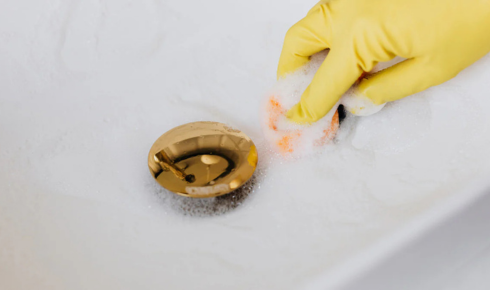
Scale buildup around faucets. Spotty dishes. Towels that feel stiff instead of soft. Over time, mineral-heavy water can reduce appliance efficiency and shorten equipment lifespan.
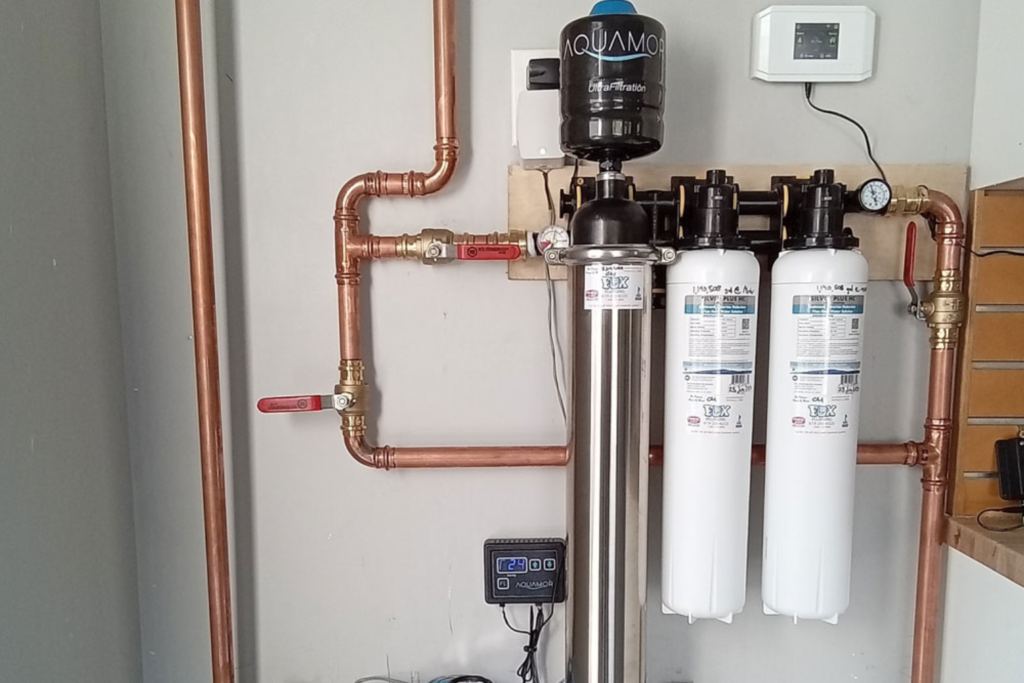
That’s where residential water systems come into play. These systems are designed to treat water at the point it enters your home—or at specific taps—so you’re not just improving taste, but protecting everything downstream.
For some households, it’s about softening water to reduce calcium and magnesium. For others, it’s filtration to address chlorine taste or sediment. The right system depends on what your water contains—and what bothers you most about it.
And once installed, it’s rarely something you think about again. It simply works in the background, the way water should.
When Water Affects Business Operations
Water isn’t just a residential concern. In restaurants, offices, hotels, and medical facilities, water quality directly affects operations.
Coffee machines, ice makers, commercial dishwashers—these rely on stable water conditions. Mineral buildup in a commercial kitchen can mean frequent maintenance. Poor filtration in an office can lead to unpleasant-tasting drinking water that employees avoid.
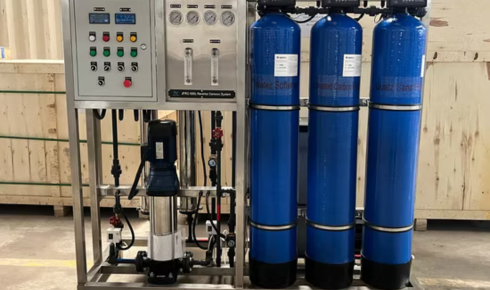
That’s why commercial water solutions often go beyond basic filtration. Businesses require systems capable of handling higher volume and more consistent demand.
In hospitality, water clarity affects guest experience. In healthcare, purity standards can be non-negotiable. Even in manufacturing, water quality influences product outcomes.
It’s easy to overlook how central water is to business performance—until equipment failures or customer complaints start piling up.
Understanding What “Clean” Really Means
The phrase clean water gets used often, but it doesn’t always mean the same thing.
Municipal water systems treat water to meet safety standards. That’s essential. But safe doesn’t necessarily mean optimal for taste, equipment longevity, or personal preference.
Clean water in a home setting might mean free of strong odors, sediment, or excess minerals. In a commercial setting, it may mean tightly controlled purity levels that protect expensive machinery.
The definition shifts depending on context. The goal remains consistent: water that supports daily use without creating friction.
The Importance of Testing Before Installing
One of the most practical steps you can take—whether at home or for a business—is conducting a proper water test.
Guesswork leads to overspending or under-solving. A water test identifies specific concerns: hardness levels, chlorine presence, sediment content, or other measurable factors.
With that information, decisions become strategic rather than emotional. You address actual issues instead of imagined ones.
It’s not about installing the most advanced system available. It’s about installing the right one.
Long-Term Value Beyond Taste
Water treatment isn’t just about how it tastes in a glass. It’s about maintenance costs, appliance longevity, and daily comfort.
In homes, softened water can reduce detergent usage and extend the life of washing machines and water heaters. In businesses, properly treated water can decrease equipment downtime and repair frequency.
The upfront investment often pays off gradually, not dramatically. Lower repair bills. Fewer service calls. Better performance.
And there’s something quietly reassuring about knowing that what flows from your taps is working for you—not against you.
Maintenance: The Often-Forgotten Piece
Even the best systems require upkeep. Filters need replacing. Salt tanks need refilling. Commercial units may require professional servicing at intervals.
Skipping maintenance undermines performance. But when maintained consistently, these systems operate smoothly for years.
It’s a small commitment for a consistent return.
A Thoughtful Investment in Everyday Life
Water rarely demands attention when it’s functioning well. It fades into the background, quietly supporting routines at home and operations at work.
But when quality improves—even slightly—you notice. Appliances run more efficiently. Coffee tastes cleaner. Skin feels better. Equipment downtime decreases.
Choosing the right solution—whether for a household or a business—isn’t about extravagance. It’s about foresight.
Because when something touches nearly every part of your day, from morning showers to evening cleanup, it deserves more consideration than we usually give it.
In the end, water quality isn’t just about what’s in the pipes. It’s about how smoothly everything else flows around it.