Water. It’s one of those things we take for granted until we don’t—like when the dishes come out spotty, the shower leaves your skin itchy, or that new coffee maker mysteriously dies after just a few months. It’s frustrating, isn’t it? You’re doing everything else right—eating healthy, hitting the gym (at least trying to), paying the bills on time—and yet your home’s water is quietly messing things up behind the scenes.
If any of that sounds familiar, you’re not alone. I’ve been down that road too, staring at a crusty faucet wondering if I’m slowly turning into a lizard. But the good news? It doesn’t have to be that way. There’s a lot we can do to take back control over what’s flowing through our pipes—and by extension, into our bodies, our appliances, and our everyday life.
Let’s talk about what that actually looks like, in a no-nonsense, real-world kind of way.
It’s Not Just “Hard Water”—It’s a Hard Truth
First off, let’s get something out of the way: not all water is created equal. Depending on where you live, the stuff coming out of your tap might be loaded with minerals like calcium and magnesium. Harmless in small doses, sure, but over time they start to wreak havoc—on your plumbing, your skin, your hair, and even your laundry.
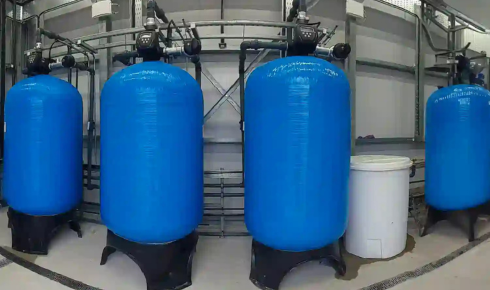
That’s where water softener installation comes in. I know, I know. It sounds like something you only need if you live in a farmhouse with a rusty well. But trust me—it’s not just for the countryside anymore. Installing a softener means those harsh minerals get swapped out for something gentler (usually sodium or potassium), and the difference? Night and day.
Your soap lathers better. Your clothes last longer. Your dishwasher actually works. It’s like your home takes a deep breath and says, “Finally.”
Why Whole-Home Systems Aren’t Just for “Health Nuts”
You ever think about how much water touches your life on a daily basis? Not just the stuff you drink, but what you bathe in, wash your dishes with, cook your food in. That’s where whole home filtration systems really shine.
We’re not just talking about slapping a filter on your kitchen sink or grabbing a Brita pitcher from the store. This is the big-league solution—an all-in-one system that treats every drop of water entering your house. Whether it’s sediment, chlorine, pesticides, or things you can’t even pronounce (don’t Google them—you’ll just lose sleep), a whole-home system has your back.
And it’s not just about drinking cleaner water. Think long-term. Your appliances will live longer, your clothes will stay brighter, your showers won’t smell like a swimming pool. It’s peace of mind with every turn of the tap.
Reverse Osmosis: Because Your Body Deserves Better
Let’s pivot for a second. Say you’re already on board with making water safer for your skin and appliances. That’s great. But what about what you’re actually putting into your body?
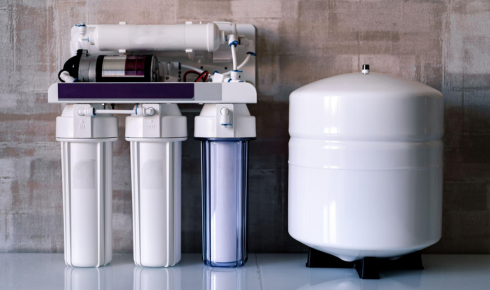
This is where reverse osmosis drinking water systems change the game. I like to think of RO as the gold standard of filtration. It’s the same tech used by astronauts (yep), but scaled down to fit under your sink.
The idea is simple: push water through a semi-permeable membrane to remove all the nasty stuff—heavy metals, fluoride, arsenic, you name it. What’s left is clean, crisp water that actually tastes…well, like nothing. And that’s exactly how it should be.
If you’re someone who drinks a lot of water (or wants to start), having an RO system means you’re fueling your body with the cleanest possible source. No surprises. No hidden extras. Just pure hydration.
But Let’s Be Real—Is It Worth It?
I can hear you asking it. “Is this just another home upgrade that sounds good in theory but ends up gathering dust?” Honestly? That depends.
If you’re renting a studio apartment, maybe a countertop filter is fine for now. But if you’re in a long-term home, or you’ve got kids, pets, or health concerns—it’s probably one of the smartest investments you can make. Not just for your health, but for your wallet too.
Think of all the stuff you’ll spend less money on over time: fewer repairs, less detergent, no bottled water, fewer skin care products because your water isn’t wrecking your skin anymore. The math adds up quickly.
What No One Tells You (But Should)
Here’s the thing most blogs and brochures won’t say: installation can be a bit of a headache. Especially if you’re dealing with an older home or tricky plumbing. But a good installer—someone who really knows their stuff—makes all the difference.
Ask questions. Read reviews. Get a quote from more than one provider. And don’t be afraid to tell them what you’re really dealing with. “My water smells like eggs.” “My hair feels like straw.” “My toddler refuses to drink anything from the tap.” Whatever it is—say it out loud. They’ve probably heard it before.
Final Pour: What’s In Your Water, Anyway?
Look, I’m not here to sell you a fancy machine. I’m just someone who got tired of dealing with the quiet chaos bad water can bring into your home. And when I finally took steps to fix it? Total game-changer.
So if your water’s been acting up—or even if it seems “fine,” but you’ve got a hunch something’s off—trust that instinct. It’s your house, your health, your peace of mind. And it’s absolutely okay to want better.
Clean water isn’t a luxury. It’s a basic right. And with the right tools and just a little effort, you can make sure you’re getting it.