You don’t usually notice hard water right away. It creeps in quietly. A cloudy film on your shower door. Soap that refuses to lather properly. Towels that feel stiff no matter how much fabric softener you use. Over time, these small annoyances start adding up.
And then someone mentions hard water.
At first, it sounds like a minor inconvenience. But once you start connecting the dots—scale buildup in your kettle, white residue on faucets, dry skin after showers—you realize your water might be working against you.
That’s when the search for solutions begins.
What Hard Water Actually Does
Hard water contains high levels of calcium and magnesium. These minerals aren’t harmful to drink. In fact, they occur naturally in many water sources. The problem isn’t safety. It’s performance.
Minerals cling to surfaces. They form scale inside pipes and water heaters. They reduce soap efficiency, forcing you to use more detergent for the same results. Over time, this buildup can shorten appliance lifespan and reduce energy efficiency.
Hard water doesn’t shout. It whispers—and slowly chips away at your plumbing and comfort.
Enter Water Softeners
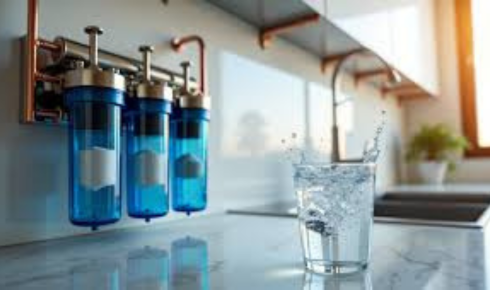
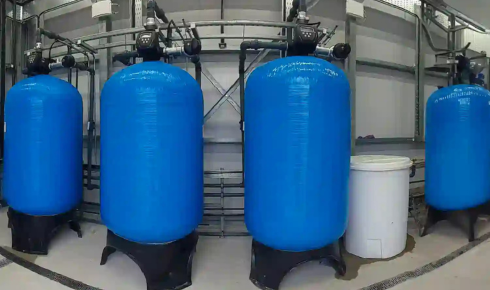
This is where water softener systems come into play. Their purpose is straightforward: reduce hardness by exchanging calcium and magnesium ions with sodium or potassium ions.
The result? Water that behaves differently.
Soap lathers properly. Dishes rinse cleaner. Skin feels smoother. Appliances run more efficiently.
It’s not flashy. It’s functional.
And for many households, the difference is noticeable within days.
The Appeal of Simplicity
One concern people often have about softeners is complexity. Electronics, timers, programming—what if something breaks?
That’s why some homeowners gravitate toward models with non-electric operation. These systems rely on water flow to trigger regeneration cycles rather than electronic controls. Fewer electrical components can mean fewer points of failure.
For rural homes, cabins, or areas prone to power outages, non-electric systems offer reliability without sacrificing effectiveness.
Simplicity has its advantages.
Hard Water Removal Isn’t Just About Comfort
We often focus on the cosmetic benefits of soft water—shinier glassware, softer laundry—but there’s a practical side too.
Scale buildup in water heaters acts as insulation, forcing the unit to work harder to heat water. That increases energy consumption. Over time, it can lead to premature failure.
Effective hard water removal helps protect those investments. It reduces strain on plumbing fixtures and lowers maintenance costs.
In other words, it’s not just about aesthetics. It’s about efficiency.
What to Consider Before Installing
Before jumping into any purchase, testing your water is key. Hardness levels vary significantly by region. Some areas have moderately hard water that may not require aggressive treatment. Others have extremely high mineral content that almost demands intervention.
A basic water test will reveal hardness levels, typically measured in grains per gallon (GPG) or parts per million (PPM). Once you have that number, choosing a properly sized system becomes much easier.
Oversizing wastes money. Undersizing reduces effectiveness.
Data first. Equipment second.
Maintenance Realities
Let’s keep it honest: water softeners require upkeep.
Salt levels need monitoring. Resin beds may eventually need replacement. Periodic cleaning prevents buildup.
But maintenance isn’t complicated. It’s more routine than technical.
Modern systems are designed for homeowner-friendly care. Most tasks take minutes, not hours.
Ignore maintenance, though, and performance suffers. Like any home system, consistency matters.
Environmental Considerations
Some homeowners worry about sodium discharge into wastewater systems. It’s a valid concern, especially in environmentally sensitive regions.
There are alternatives, including potassium-based softening and salt-free conditioners. These options don’t technically soften water in the traditional sense, but they can reduce scale formation.
Understanding your local regulations and environmental impact helps guide the right choice.
The Everyday Difference
Sometimes the biggest changes are subtle.
You notice your shampoo rinses out more easily. Your dishes don’t require rewashing. The white crust around faucets stops forming.
It’s not dramatic. It’s gradual.
But over months and years, those small improvements compound.
Is It Worth It?
Not every home needs a softener. If your water tests show low hardness, you may not see much benefit.
But in areas where mineral content is high, the value becomes clearer. Protecting appliances, improving efficiency, and enhancing daily comfort all contribute to the equation.
The decision shouldn’t be driven by fear or marketing claims. It should be based on actual water conditions and practical goals.
Final Thoughts
Water is one of the most overlooked components of home maintenance. It flows quietly through pipes, affecting everything from your skin to your dishwasher.
If hard water has been quietly creating frustration, it might be time to address it.
Test your water. Understand your hardness level. Evaluate whether a softener makes sense for your situation.
And if you decide to move forward, choose a system that fits your lifestyle—whether that means advanced electronics or straightforward, non-electric reliability.
Because when your water works with your home instead of against it, daily life feels just a little smoother.
And sometimes, that’s all you really need.