Let’s start with something simple: water. The most essential thing in our lives, yet most of us know very little about what’s actually in it. We turn on the tap, fill a glass, and trust it’s fine. But the truth is, there’s a lot that can ride along with that crystal-clear stream—and not all of it’s welcome.
Whether you’re on city supply or a private well, it’s becoming more common (and honestly, more necessary) to test your water and invest in reliable filtration. And while it might sound technical or expensive, understanding your water and taking action isn’t just smart—it’s empowering.
Let’s break it down without the jargon.
The First Step: What Are You Drinking, Really?
Water might look clean, but clarity isn’t the same as safety. That’s why nitrate testing is such an important starting point—especially for households near farmland or septic systems. Nitrates can sneak into groundwater and, in high levels, cause health issues, particularly for infants and pregnant women.
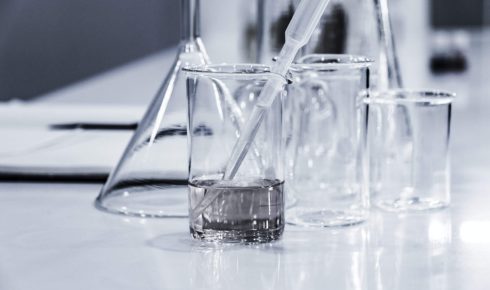
Testing for nitrates is surprisingly easy. Home kits are affordable, or you can send a sample to a local lab. If levels are high, don’t panic—there are filters designed to handle it. But knowing is half the battle. You can’t fix what you don’t test for.
When Water Isn’t Cloudy, But Still Isn’t Clean
One of the more misunderstood indicators of water quality is turbidity. It’s not about color or smell—it’s about particles. Sand, silt, clay, even microscopic organisms can all make your water turbid, even if you can’t see them with the naked eye.
Turbidity testing checks how “cloudy” your water is based on how much light passes through it. High turbidity can indicate potential contamination or make disinfectants like chlorine less effective.
If your water’s giving you that odd “muddy” vibe or clogging up showerheads, a simple test can tell you if turbidity is the culprit. And if it is, sediment filters or multi-stage systems can handle it like a champ.
Why Clean Water Products Are More Than Just a Trend
Look, we’re living in a world where everything from your phone to your fridge is “smart,” and yet the basics—like the water we use every single day—often get overlooked.
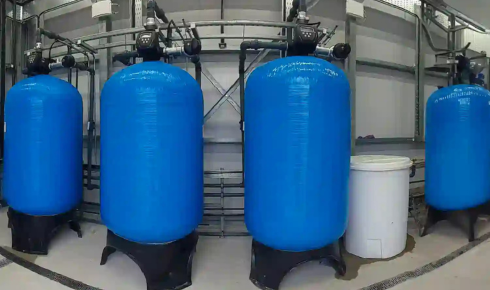
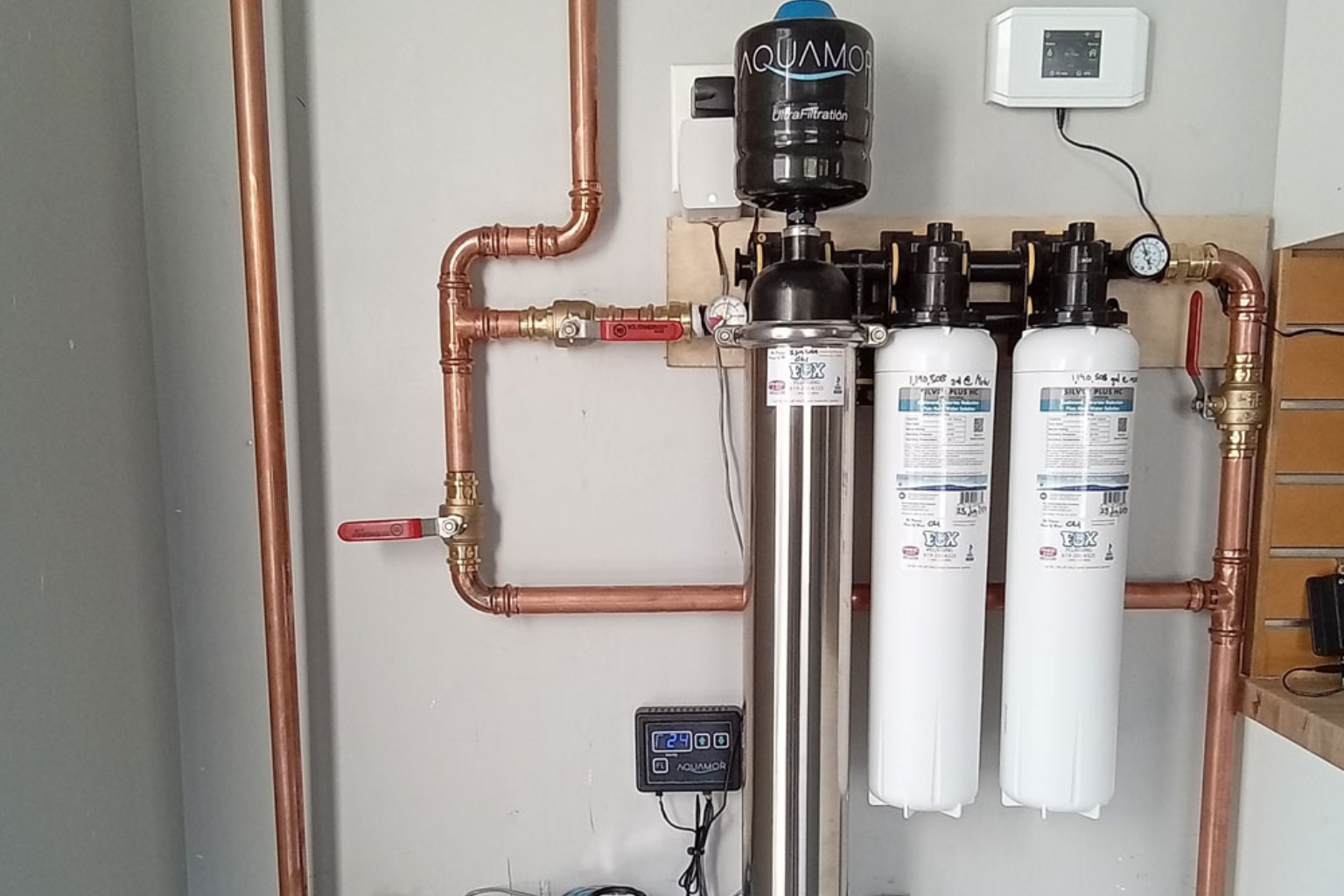
Thankfully, a whole range of clean water products are changing that. These aren’t just gimmicks or overpriced filters you buy on impulse and forget about. We’re talking serious, engineered solutions: under-sink reverse osmosis systems, UV sterilizers, whole-home filtration setups, and more.
What sets the good stuff apart? Transparency. Clear performance ratings, NSF certifications, and reviews from real people who’ve seen the difference in their water—and their lives. Whether you’re worried about chlorine, lead, pesticides, or microplastics, there’s a product out there that can tackle it head-on.
Have You Heard About the Water Vault Filter?
Now, if you’re into deep filtration with a side of durability, there’s a new(ish) contender worth checking out: the Water Vault Filter. It’s been getting a fair amount of buzz for combining high-volume filtration with easy maintenance.
Designed for people who want serious contaminant removal without the fuss of constant cartridge replacements, this system targets heavy metals, chlorine, VOCs, and more. It’s built like a tank but meant to serve families who just want peace of mind when filling a glass—or bathing the baby.
It may not be a household name yet, but don’t be surprised if you start hearing more about it from homeowners, plumbers, and even wellness influencers who are waking up to the realities of long-term water exposure.
Let’s Talk Maintenance (Because Filters Aren’t Magic)
All these filters and fancy systems are great, but they’re not set-and-forget. One of the biggest mistakes people make is installing a filtration system and never touching it again. Filters clog. Tanks fill. Efficiency drops.
So whatever route you go—reverse osmosis, UV, whole-home—put a reminder in your phone or stick a note on the fridge. Replace cartridges when you’re supposed to. Run a monthly flush if it’s recommended. That’s how you keep the system working like day one, not year five.
And hey, if you’re overwhelmed by the idea of maintaining it all yourself, many companies offer service plans. Worth it if you’re juggling a million other things in life.
The Bigger Picture: Why This All Matters
At the end of the day, clean water isn’t just about health. It’s about dignity. It’s about peace of mind when your kid takes a long bath, or when your elderly parents come to stay for a few weeks. It’s knowing your morning coffee isn’t laced with industrial runoff or farming residue.
The more we learn about what’s lurking in untreated water—arsenic, bacteria, pharmaceuticals—the more we realize how crucial it is to take control of what flows through our taps. But the good news? Taking control is easier than ever. Testing is cheap, products are more advanced, and clean water is no longer a luxury for the rich or ultra-health conscious.
It’s for everyone. Including you.
Final Thoughts: One Test at a Time
If you’ve read this far, you’re probably already thinking about how your water stacks up. That’s the first step. So go ahead—grab a test kit. Check those nitrates. Measure turbidity. Take stock of what you’re really consuming.
Then, when you’re ready, start exploring systems and clean water products that fit your life—not the ones with the biggest marketing budget, but the ones that solve the problems you’ve now identified.
Maybe you’ll land on a Water Vault Filter, or maybe a basic under-sink setup will do the trick. Either way, it’s your water. Your health. Your move.