There’s something oddly satisfying about fixing or upgrading a part of your home that’s been bothering you for months—sometimes years. Not a big renovation, not a dramatic makeover. Just a small, thoughtful improvement that makes daily life feel a little smoother.
Maybe it’s a door that finally closes without sticking. Or a wall that no longer shows the story of every bump and scrape it’s endured. These are the kinds of changes that don’t get posted on social media, but you feel them every single day.
And over time, they add up in ways you don’t expect.
Why Little Things Matter More Than We Admit
It’s easy to live with small annoyances. A crack in the wall, a door that creaks, a space that’s not being used as well as it could be. You get used to it, adjust your habits, and move on.
But those little imperfections have a way of quietly affecting how your home feels.
When something works the way it should, you don’t notice it. When it doesn’t, even slightly, it becomes part of your routine in a way that’s hard to ignore.
That’s why small upgrades often feel bigger than they sound. They remove friction. They make your space easier to live in.
A Door That Actually Works Changes More Than You Think
It might sound simple, but door installation can make a surprising difference.
A properly installed door doesn’t just open and close—it fits. It seals out drafts, reduces noise, and adds a sense of privacy and security that you might not have realized was missing.
I once replaced a bedroom door that had always been slightly off. It stuck in humid weather, didn’t latch properly, and let in more noise than it should have. After the new door was installed, the room felt different—quieter, more contained.
It’s not a flashy upgrade, but it changes how you experience the space. And that’s what makes it worthwhile.
Walls Tell Stories—But Sometimes They Need a Reset
Every home has walls that have seen better days. Small dents from moving furniture, nail holes from old decor, cracks that seem to appear out of nowhere.
At some point, those marks stop feeling like character and start feeling like wear.
That’s where drywall repair comes in.
It’s one of those tasks that feels minor until it’s done. Once the surface is smooth again, freshly painted or just cleaned up, the entire room feels refreshed.
There’s a kind of visual calm that comes with clean walls. Your eyes aren’t drawn to imperfections anymore. The space feels more intentional, more put together.
And the best part? It doesn’t require a full renovation to achieve that effect.
Making Better Use of the Space You Already Have
Not all improvements are about fixing something broken. Sometimes, they’re about unlocking potential that’s been sitting there all along.
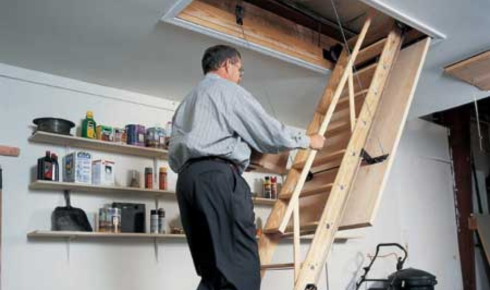
Take attic ladder installation, for example.
Many homes have attic space that’s rarely used—not because it’s not valuable, but because it’s not easily accessible. Dragging out a step ladder every time you need something isn’t exactly convenient.
Installing a proper attic ladder changes that dynamic completely. Suddenly, the space becomes usable. Seasonal storage, extra room for belongings, even just easier organization—it all becomes more practical.
And once access is easy, you’re more likely to use the space effectively.
The Balance Between DIY and Professional Help
There’s always a question that comes up with these kinds of projects: should you do it yourself, or bring in someone who knows what they’re doing?
For some tasks, DIY makes sense. Small fixes, simple adjustments—there’s a certain satisfaction in handling them on your own.
But other jobs benefit from experience.
A door that needs precise alignment, drywall that requires a smooth, seamless finish, or a ladder installation that involves structural considerations—these are areas where getting it right matters.
A professional approach doesn’t just save time. It ensures the result lasts.
Why These Changes Feel Bigger Over Time
What’s interesting about small home improvements is how their impact grows.
At first, you notice the difference. The door works better, the wall looks cleaner, the attic is easier to access.
But over time, those improvements become part of your daily experience. You stop thinking about them because they’re no longer problems.
And that’s the goal—not to constantly admire the change, but to live in a space that feels easier, more comfortable, more aligned with your needs.
A Home That Works With You, Not Against You
At its best, a home should feel intuitive. Doors that open smoothly, walls that feel clean and complete, spaces that are easy to use.
When those elements are in place, everything flows better. You’re not adjusting, compensating, or working around small issues.
Instead, your home supports you.
And that support shows up in subtle ways—less frustration, more ease, a sense that things are just… right.
A Final Thought: It’s the Details That Stay With You
Big renovations have their place. They transform spaces, add value, and create dramatic change.
But it’s often the smaller upgrades that stick with you.
The door that finally closes without effort. The wall that looks fresh again. The attic that’s no longer a hassle to access.
These aren’t headline projects. They don’t demand attention.
But they quietly improve your everyday life.
And in the end, that’s what makes a house feel like a home—not the big changes, but the small details that work exactly the way they should.