Let’s get this out of the way: water in Austin, Texas isn’t exactly gentle. If you’ve lived here long enough, you’ve probably noticed the spots on your dishes, the crusty buildup on your faucets, and maybe even that your skin feels a little tighter than it should after a shower. That’s not your imagination — it’s hard water. Really hard. And it’s driving more homeowners than ever to explore water softeners, filtration systems, and other fixes.
But here’s the thing. Not all solutions are created equal. And not all companies are as transparent as they ought to be. If you’re thinking of jumping on the water improvement bandwagon, let’s walk through the good, the gritty, and the stuff people forget to mention.
The Real Problem with Austin’s Water (It’s Not Just the Taste)
Austin’s water supply, primarily sourced from the Colorado River and local reservoirs like Lake Travis, is full of minerals like calcium and magnesium. While technically safe to drink, this mineral-rich cocktail can be a nightmare for your plumbing and appliances. Washing machines wear out faster. Coffee makers need more frequent descaling. And your water heater? It’s probably working overtime.
Hard water also messes with soaps and detergents, meaning you use more to get the same clean. And don’t even get us started on what it does to your hair and skin over time.
So, Is a Water Softener the Answer?
Maybe — but it depends on what you actually need.
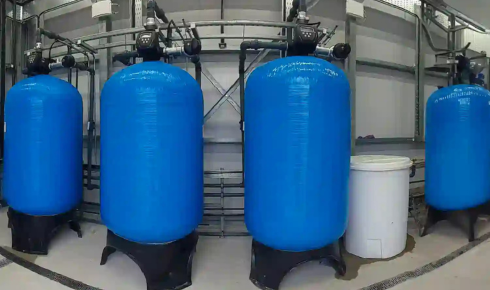
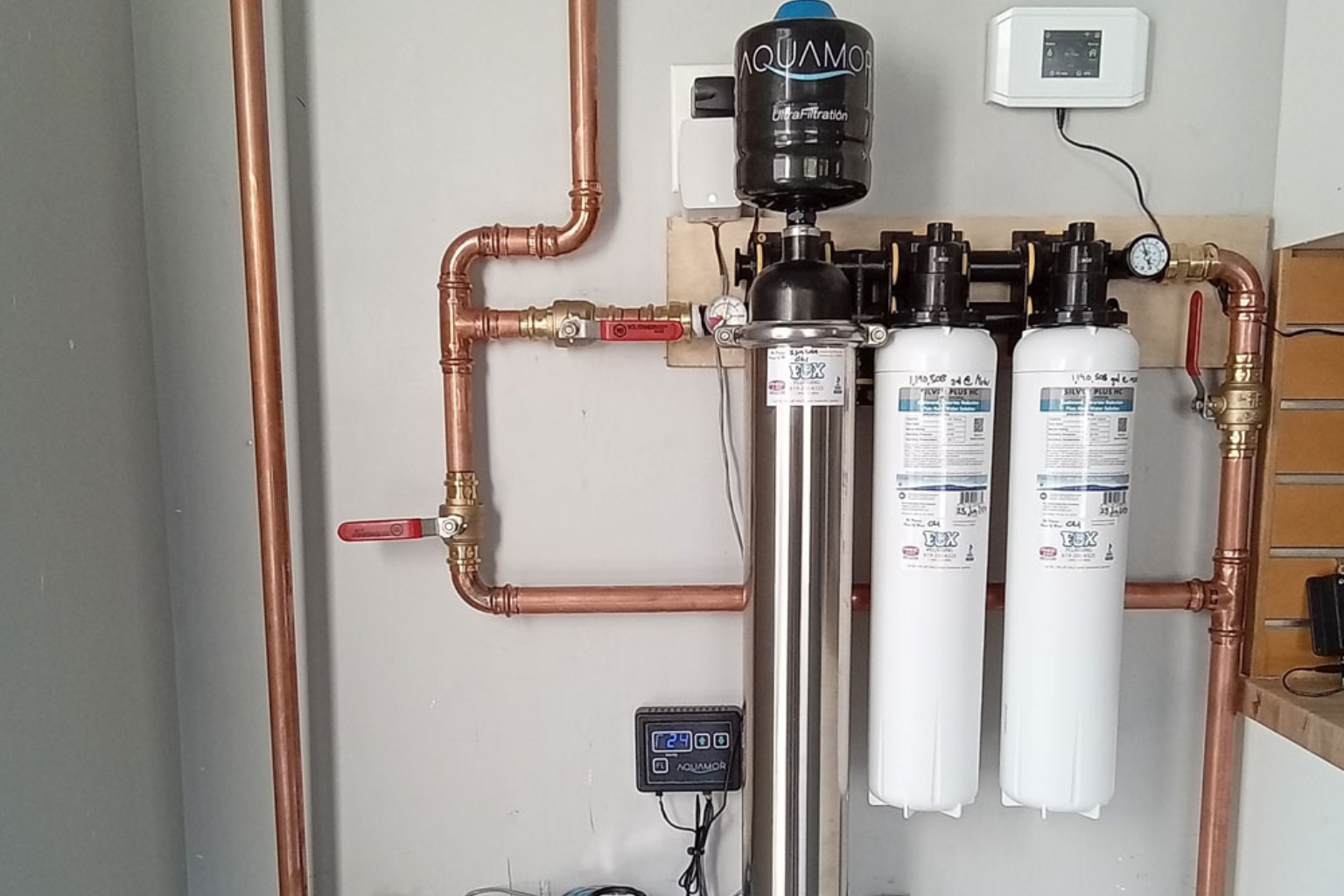
Water softeners remove hardness-causing minerals, but they don’t address other water quality concerns like chlorine, bacteria, or sediment. That’s where austin water filtration systems come in. These are often paired with softeners to create a full-spectrum solution. Think of softeners as the muscle (removing the stuff that clogs and scales) and filters as the finesse (cleaning up the stuff that tastes or smells funky).
A growing number of households are going with dual setups: whole-house filtration systems that work in tandem with a traditional salt-based or salt-free softener. The result? Cleaner, softer, more usable water from every tap.
Beware of “Too-Good-to-Be-True” Solutions
We’ve all seen them. Slick websites promising magical no-maintenance, salt-free softeners that “turn hard water into silky smooth hydration.” Or big-box store systems at dirt-cheap prices.
Here’s the reality: some of those work okay for mild hardness, but they’re often no match for Austin’s seriously tough water. If it feels like a shortcut, it probably is. It’s not just about softening — it’s about long-term reliability, maintenance, and whether the solution actually fits your household’s usage patterns.
Choosing the Right Partner: What to Look for in a Water Company
Now comes the tricky part. You can’t throw a stone in Austin without hitting someone selling water systems. So how do you pick someone who won’t ghost you after the install?
Reputation matters. Look for water softener companies Austin TX locals trust — ones with reviews that mention things like responsiveness, post-install support, and clear pricing. Ideally, you want a company that tests your water first before making a recommendation. No two homes are exactly the same, and a one-size-fits-all approach rarely delivers the best result.
Bonus points if they offer service plans, warranty-backed equipment, and honest advice (even if it means recommending something cheaper).
The Salt Question: To Brine or Not to Brine?
A quick detour into one of the most common questions we get: salt-based vs. salt-free systems.
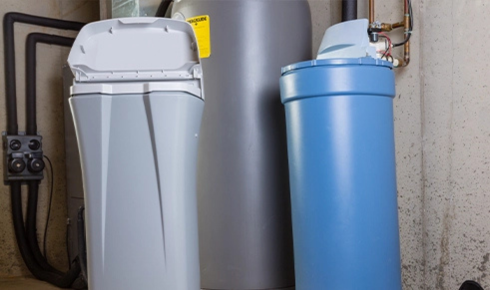
Salt-based softeners are traditional — they use ion exchange to physically remove hard minerals from your water. Salt-free systems, on the other hand, condition the water so minerals don’t stick to surfaces (but they’re still technically there). In Austin’s case, salt-based systems generally perform better, especially if your hardness level is over 10 grains per gallon — which it often is.
That said, if you’re on a low-sodium diet or want to avoid salt for environmental reasons, talk to your installer about alternative systems. They’re improving every year.
Cost Isn’t Everything — But It Does Matter
Depending on your setup, a good system can run anywhere from $1,500 to over $5,000, including installation. That might sound steep, but consider this: the cost of replacing water heaters, appliances, or repairing pipe buildup over the years could be even higher.
And if you’re worried about maintenance? Don’t be. Most high-quality systems only need a quick salt refill or filter change every few months. A small chore for a huge return in water quality.
So… Where’s the Best Place to Start?
Start with a water test. Seriously. Don’t buy anything until you know what’s actually in your water. Some water softener Austin TX providers offer free in-home testing or affordable lab-based kits. From there, talk to two or three companies and compare not just price, but approach.
Does one company jump straight to upselling a top-tier model without looking at your plumbing? Red flag. Does another take the time to ask about your family size, appliances, and usage habits? That’s more like it.
And be wary of companies that pressure you into same-day installation or “limited-time deals.” Real pros know this is a long-term investment, not a quick sale.
Real Homeowners, Real Results
We spoke with a local couple in Round Rock who installed a whole-house system six months ago. “I didn’t think water would make this big a difference,” said Jen. “But my skin cleared up, and we’re using half as much detergent.”
Or take Rob, a tech worker in South Austin. “The scale buildup on my showerhead? Gone. My morning coffee tastes better too. Wish I did it sooner.”
These stories aren’t rare — they’re becoming the norm. Especially as the word gets out that quality water is more than a luxury. It’s a smart choice.
Final Thoughts: Don’t Wait for the Problem to Get Worse
Hard water isn’t going to magically fix itself. And Austin’s booming population and infrastructure shifts may only complicate water quality down the line. Whether you’re in a new build in East Austin or a charming 80s home in Barton Hills, investing in a water softener or filtration system is a move your future self will thank you for.
Take the time to research, ask questions, and connect with companies that put education over sales tactics. Your skin, your appliances — and honestly, your peace of mind — will all benefit.