
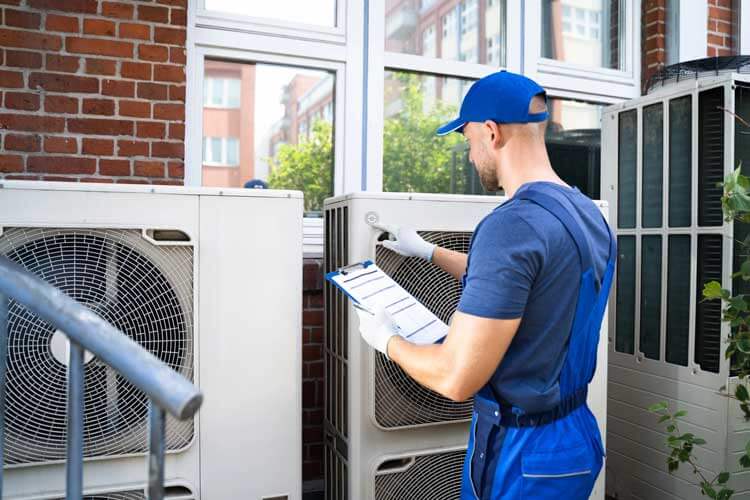
When warmer weather arrives, the last thing you want is to discover that your air conditioner cannot keep up. A little preparation can help you catch common problems before they turn into uncomfortable indoor temperatures or an unexpected service call. Scheduling seasonal ac maintenance for efficiency is one of the most reliable ways to make sure your system is ready for increased demand.
Even if your AC seemed to work perfectly last year, it is worth giving the system a careful check before the heat sets in. Some issues develop gradually while the equipment sits unused, and identifying them early can make the cooling season smoother.
Check and Replace the Air Filter
The air filter is one of the simplest components to inspect, but it can have a noticeable effect on how your system operates. A dirty filter restricts airflow, making the air conditioner work harder to move conditioned air through your home.
Check the filter before you start using the AC regularly. If it looks visibly dirty or clogged, replace it with the correct size and type recommended for your system.
How often you need to replace a filter depends on factors such as the filter type, household conditions, pets, and how frequently the system operates. Rather than relying on a fixed schedule, check it regularly and follow the manufacturer’s recommendations.
Inspect the Outdoor AC Unit
Walk around the outdoor condenser and look for anything that could interfere with airflow. Leaves, grass clippings, branches, and other debris can accumulate around the unit, particularly after months of changing weather.
Make sure there is clear space around the condenser and gently remove loose debris from the surrounding area. Avoid damaging the fins or using excessive force when cleaning the equipment.
If the outdoor unit appears damaged, heavily corroded, or obstructed internally, it is better to have an HVAC professional inspect it rather than attempting a complicated repair yourself.
Look at the Electrical Disconnect and Wiring
Before operating the system, take a quick visual look at accessible electrical components. You may notice damaged insulation, loose-looking connections, scorch marks, or other signs that something is not right.
Do not remove electrical panels or attempt to repair wiring yourself. Air conditioners contain electrical components that can present serious safety hazards even when the system is not actively cooling.
If you see anything unusual, turn the system off and arrange for qualified HVAC service.
Test the Thermostat
A thermostat that is incorrectly programmed or malfunctioning can make an otherwise healthy air conditioner seem unreliable. Before temperatures climb, switch the thermostat to cooling mode and check that the system responds as expected.
Replace the thermostat batteries if applicable, and confirm that the temperature setting is appropriate. If you have a programmable or smart thermostat, review the schedule so the system is not following an outdated heating-season program.
When testing the AC, give it enough time to complete a cooling cycle. A short delay before the system starts may be normal depending on the thermostat and equipment.
Check the Vents and Registers
Indoor airflow problems are not always caused by the air conditioner itself. Closed, blocked, or obstructed supply vents can prevent conditioned air from reaching the rooms that need it.
Walk through the house and check that vents are open and free from furniture, rugs, curtains, or other obstructions. Pay attention to rooms that have historically felt warmer or cooler than the rest of the home.
If airflow remains weak after you have checked the vents and filter, the issue may require professional diagnosis.
Pay Attention to Unusual Sounds or Odors
Your air conditioner should not suddenly develop loud or unusual noises when you turn it on. Grinding, persistent rattling, buzzing, squealing, or other unfamiliar sounds can indicate a mechanical or electrical problem.
Unusual odors also deserve attention. A temporary smell when equipment first starts after a long period of inactivity can have a simple explanation, but persistent burning or musty odors should not be ignored.
Turn the system off if you notice a potentially dangerous smell, smoke, or another serious warning sign, and contact an HVAC professional.
Know When a Professional Inspection Makes Sense
Some maintenance tasks are straightforward, but an air conditioner is a complex system involving electrical components, refrigerant, motors, controls, and moving parts. A professional can identify problems that are not obvious during a basic homeowner inspection.
Consider arranging an HVAC inspection before peak cooling season if:
● The AC struggled to cool your home last summer.
● The system frequently cycled on and off.
● Certain rooms consistently remain uncomfortable.
● You notice refrigerant-related concerns or water around the equipment.
● The outdoor unit makes unusual noises.
● The system has not received professional maintenance in a long time.
● Your energy or cooling performance seems noticeably different from previous seasons.
Addressing small problems early can help prevent them from becoming larger issues during periods when the air conditioner is working hardest.
Avoid These Common AC Preparation Mistakes
One common mistake is waiting until the first extremely hot day to discover whether the system works. If something needs attention, scheduling service can be more difficult when demand is high.
Another mistake is assuming that changing the filter is the same as maintaining the entire system. A filter replacement supports good airflow, but it does not replace professional inspection of components that require specialized knowledge or equipment.
Finally, avoid DIY repairs involving refrigerant or electrical components. These systems require appropriate tools, training, and safety procedures.
Give Your AC a Test Run Before Peak Heat
Once you have completed the basic checks, run the air conditioner and give it time to cool the home. Listen for unusual sounds, check whether air is coming from the vents, and see whether the indoor temperature responds normally.
Do not wait for a complete breakdown before taking action if something seems wrong. An early inspection can give you more time to address a problem before the system faces sustained hot-weather demand.
Conclusion
Preparing your air conditioner before the heat arrives does not have to be complicated. Start with the basics: check the filter, clear debris from around the outdoor unit, inspect accessible components, test the thermostat, and make sure indoor vents are unobstructed.
Most importantly, pay attention to changes in performance, sounds, odors, or airflow. A simple pre-season check can help you spot warning signs early, while professional AC maintenance provides a deeper assessment of the equipment. The goal is straightforward: identify potential problems before you need reliable cooling every day.