There’s a certain kind of quiet frustration that builds over time. You wipe down your sink, step back, and it looks clean… for about five minutes. Then those faint white marks start to reappear, like they were never really gone.
It’s not a big problem. Not urgent. But it’s persistent enough to make you wonder what’s actually going on.
And more often than not, the answer comes down to something we rarely question—our water.
When Surfaces Start Telling a Story
You notice it on glass first. Then on tiles. Eventually, even your faucets start to show signs.
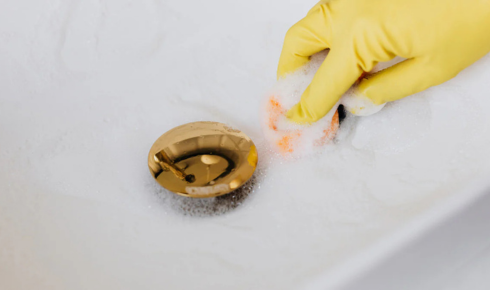
Those chalky marks? They’re usually hard water stains, and they’re caused by minerals like calcium and magnesium left behind when water evaporates.
At first, it feels like a cleaning issue. Maybe you try different products, scrub a bit harder, rinse more thoroughly. But the stains keep coming back.
That’s when it clicks—it’s not about how you’re cleaning. It’s about what’s in your water.
Beyond What You Can See
Stains are just the visible part. What’s happening beneath the surface often goes unnoticed.
Mineral buildup can slowly affect your pipes, your appliances, even your water pressure. It’s not immediate, but over time, it changes how things function.
This is where understanding your water quality becomes important. Not in a technical, overwhelming way—but in a practical, everyday sense.
Is your water leaving residue? Does it affect how soap lathers? Do your appliances need more frequent maintenance?
These small clues help paint a bigger picture.
The Feel of Water Matters Too
It’s not just about how water looks—it’s how it feels.
Ever stepped out of a shower and felt like your skin was still coated in something? Or noticed your hair doesn’t quite feel as soft as it used to?
That’s often tied to mineral-heavy water. It interferes with how soap and shampoo work, leaving behind a kind of invisible layer.
You get used to it, eventually. But once you experience softer, clean water, the difference becomes obvious.
It’s lighter. Smoother. More natural.
And suddenly, those little annoyances you didn’t question start to make sense.
Why We Tend to Ignore It
Water issues don’t usually demand immediate attention. There’s no alarm, no urgent breakdown.
So we adapt.
We clean more often. Use more detergent. Replace appliances a bit sooner than expected. It becomes part of the routine, even if it’s not ideal.
But adapting isn’t the same as solving.
And once you realize that, it opens the door to doing things differently.
Small Changes That Make a Big Difference
Improving water quality doesn’t always require a complete overhaul. Sometimes, small adjustments can lead to noticeable improvements.
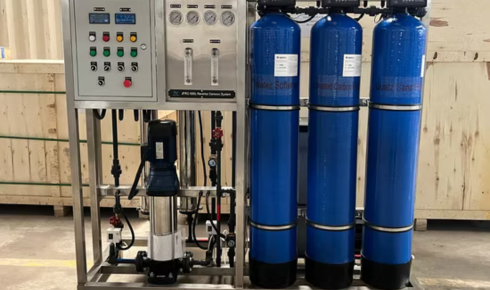
A basic filtration system. A water softener. Even just understanding what you’re dealing with can help you make better decisions.
The key is starting with awareness.
What’s in your water? How is it affecting your home? What’s actually causing those recurring issues?
Once you have those answers, the path forward becomes clearer.
The Role of Routine Maintenance
Just like any other part of your home, water systems benefit from a bit of attention.
Checking for buildup. Cleaning fixtures properly. Being mindful of how your water behaves over time.
These small habits don’t take much effort, but they help you stay ahead of potential problems.
And more importantly, they keep things running smoothly.
When It’s Time to Go a Step Further
Sometimes, small fixes aren’t enough. If issues persist—if stains keep returning, if water continues to feel off—it might be worth considering a more comprehensive solution.
That doesn’t mean jumping into something complicated. It just means exploring options that address the root of the problem.
Because at the end of the day, it’s not about perfection. It’s about making your home feel more comfortable, more consistent.
The Quiet Impact of Better Water
What’s interesting about improving water quality is how quickly it becomes part of your normal.
At first, you notice everything—the cleaner surfaces, the smoother feel, the way appliances seem to work better.
Then, over time, it fades into the background. Not because it’s unimportant, but because it’s doing exactly what it should.
And that’s the goal.
Final Thoughts
Water is one of those things we rely on without thinking. It’s constant, familiar, easy to take for granted.
But when you start paying attention—when you notice the stains, the feel, the subtle changes—you realize how much it influences your daily life.
Addressing those issues doesn’t have to be complicated. It starts with awareness, a bit of curiosity, and a willingness to look a little closer.
Because sometimes, the smallest details tell the most important stories.