Water systems rarely get much attention when everything is working properly. A tap turns on, equipment runs as expected, and daily routines continue without interruption. But when a hidden leak appears, water pressure drops, or treatment equipment suddenly stops performing, a small issue can quickly become an expensive problem.
For homeowners, business owners, and facility managers, the challenge isn’t simply getting water where it’s needed. It’s making sure the system remains reliable, efficient, and suitable for its intended purpose. That means paying attention to water usage, recognizing early warning signs, and keeping essential equipment in good condition.
Fortunately, modern technology and straightforward maintenance practices make this easier than it used to be. You don’t need to monitor every pipe manually or wait for a major failure before taking action. With the right approach, water management can become a more predictable part of running a property.
Why Paying Attention to Water Usage Matters
Water consumption can tell you a surprising amount about what’s happening inside a building. A sudden increase in usage might indicate a leaking toilet, a damaged pipe, faulty irrigation equipment, or a commercial process that’s using more water than expected.
The trouble is that many leaks remain hidden for weeks. Water can escape behind walls, beneath floors, or in underground plumbing without producing an obvious puddle. By the time someone notices damp patches or a higher utility bill, the damage may already be significant.
Regularly reviewing water bills and meter readings is a simple way to establish a baseline. If a building normally uses a similar amount of water each month, an unexplained increase deserves investigation. Seasonal changes and occupancy levels should also be considered before assuming there’s a leak.
Technology can take this a step further. smart water monitoring systems use sensors, connected meters, and data analysis to help identify unusual consumption patterns. Depending on the equipment, some systems can send alerts when they detect continuous flow, unexpected usage, or potential leaks.
These alerts don’t eliminate the need for inspection, but they can help people respond sooner. Imagine discovering a leaking pipe through a phone notification instead of finding water damage after returning from a weekend away. That early warning could make a substantial difference.
How Smart Monitoring Supports Everyday Decisions
Traditional water management often depends on someone noticing a problem. That approach works for visible issues, but it’s less reliable when equipment operates around the clock or when a building has multiple floors, bathrooms, production areas, and water connections.
Connected monitoring tools provide a more consistent picture of how water moves through a property. Some measure flow and pressure, while others track temperature, detect moisture, or monitor equipment performance. The capabilities vary, so choosing a system starts with understanding what needs to be observed.
For a residential property, a basic leak-detection device may be enough. A larger facility might benefit from monitoring several zones independently, allowing staff to identify where unusual consumption begins rather than investigating the entire building.
The information becomes especially useful when it reveals patterns. Perhaps water usage rises every night despite the building being empty. Maybe a cooling system consumes more water during certain operating periods than expected. These observations can help maintenance teams investigate the cause and identify opportunities to reduce waste.
However, connected equipment should be treated as a support tool, not an infallible authority. Sensors require correct installation, occasional testing, and reliable connectivity where remote alerts are used. Poorly configured alarms can also become background noise, making important warnings easier to overlook.
The most effective setup is one that delivers useful information without overwhelming the people responsible for responding to it.
Water Management in Commercial and Industrial Buildings
Water systems become more complex as buildings and operations grow. Offices, hotels, restaurants, healthcare facilities, manufacturing plants, and warehouses may depend on water for sanitation, cooling, cleaning, production, or specialized equipment.
In commercial / industrial environments, a small plumbing problem can affect much more than convenience. A leak near electrical equipment may create a safety concern, while a supply interruption could disrupt production schedules or essential building operations. Poorly maintained treatment equipment can also affect process consistency.
These facilities often benefit from a more structured water-management plan. The plan might include routine meter reviews, documented inspections, water-quality checks, equipment servicing, and clear procedures for responding to abnormal readings.
Cooling towers provide a useful example. Their operation depends on water circulation, evaporation, and appropriate water chemistry. Poor control of mineral buildup, corrosion, or biological growth can affect performance and increase maintenance requirements. Monitoring water conditions and following an appropriate treatment schedule help operators manage these risks.
Restaurants and hospitality businesses face different priorities. They need reliable water for food preparation, cleaning, bathrooms, and sometimes specialized appliances. Unexpected plumbing failures can interrupt service, frustrate customers, and create costly downtime.
Not every facility needs an advanced digital platform. Sometimes a well-maintained meter, accurate maintenance records, and regular inspections are enough. The goal is to match the monitoring approach to the building’s size, risks, and operational requirements.
Why Preventive Maintenance Is Worth the Effort
It can be tempting to postpone equipment servicing when everything appears to be working. A filter still produces water, a pump continues running, and the pipes aren’t making unusual noises. Why spend money on a problem that hasn’t happened?
Because visible performance doesn’t always tell the full story.
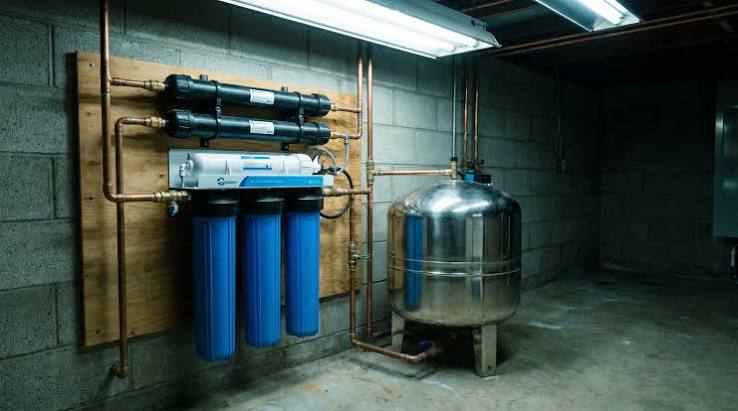
Treatment filters gradually collect particles, seals deteriorate, pumps experience wear, and mineral deposits may build up inside equipment. Without regular attention, these small changes can reduce efficiency or eventually cause failure.
A practical maintenance & repair schedule helps prevent avoidable breakdowns and makes problems easier to manage. Depending on the system, routine tasks may include inspecting valves and connections, replacing filter cartridges, checking pump operation, cleaning components, testing alarms, and verifying that safety devices function correctly.
The schedule should reflect manufacturer guidance, operating conditions, and the consequences of failure. Equipment used continuously in a demanding industrial environment may need more frequent attention than a lightly used residential system.
Good records matter, too. Documenting service dates, replacement parts, test results, and recurring faults helps identify patterns. If the same pump repeatedly needs repairs, for example, the underlying issue may involve incorrect sizing, operating conditions, or another component rather than the pump alone.
Preventive maintenance isn’t about replacing every part before it’s necessary. It’s about understanding the condition of the system and making sensible decisions before a minor defect develops into a major disruption.
Reducing Water Waste Without Complicating Operations
Water conservation is often discussed in terms of shorter showers and turning off taps. Those habits are useful, but larger savings can come from fixing leaks, improving equipment performance, and understanding where consumption is concentrated.
Businesses can review cleaning procedures, inspect cooling equipment, repair faulty valves, and evaluate whether water is being used appropriately for each process. In homes, efficient fixtures, properly adjusted irrigation systems, and prompt repairs can reduce unnecessary consumption.
Monitoring data can help prioritize these improvements. If one area consistently accounts for an unusually large share of water use, investigate it before investing in expensive upgrades throughout the building.
Water-saving measures should still respect hygiene, safety, and operational needs. Reducing consumption isn’t worthwhile if it compromises sanitation or causes equipment to operate outside its intended conditions.
Building a More Reliable Water System
A dependable water system rarely comes from one expensive device or a single maintenance visit. It develops through consistent attention, practical planning, and a willingness to investigate unusual changes before they become serious.
Start by understanding your current system, reviewing water usage, and identifying the equipment that matters most. Add monitoring tools where they provide useful information, establish a realistic servicing schedule, and make sure someone knows how to respond when an alert appears.
For commercial facilities, clear responsibilities and documented procedures can be just as important as the technology itself. For homeowners, even a few basic checks can help catch leaks and maintenance needs earlier.
Water management doesn’t have to be complicated to be effective. When monitoring, routine inspections, and timely repairs work together, systems are easier to maintain, waste is easier to spot, and unexpected interruptions become less likely.
In the long run, the best approach is a proactive one: pay attention to the small signs, maintain the equipment you depend on, and use reliable information to guide your decisions. Those everyday habits can protect property, support efficient operations, and help make every drop count.