Water is part of nearly every daily routine, from the first glass in the morning to the final load of laundry at night. We use it without thinking much about what might be dissolved in it or how its quality affects our homes. That often changes when white spots appear on faucets, soap refuses to lather properly, or drinking water develops a taste that nobody particularly enjoys.
These problems don’t necessarily mean the water is unsafe, but they can be signs that something deserves a closer look. Water quality varies from one location to another, and even neighboring homes may experience different issues depending on their supply and plumbing. Fortunately, modern treatment options make it possible to address many common concerns. The trick is choosing equipment that solves the actual problem rather than buying a system simply because it sounds impressive.
Start by Understanding Your Water
Before shopping for equipment, take a moment to consider what you’re trying to improve. Is the water leaving mineral deposits on shower doors? Does it have an unusual odor? Are you concerned about sediment, or would you simply prefer better-tasting drinking water?
Each concern points toward a different approach. Hard water, for example, contains elevated levels of calcium and magnesium. These minerals can contribute to scale buildup inside plumbing fixtures, water heaters, and appliances. Sediment, on the other hand, consists of suspended particles that may make water appear cloudy or leave deposits in certain fixtures.
Taste and odor can have several causes, including naturally occurring minerals, disinfectants, or issues with household plumbing. Some concerns require laboratory testing rather than a visual inspection. Clear water isn’t automatically safe, and unpleasant-tasting water isn’t necessarily contaminated.
A basic water test can help establish what is present and which treatment methods are appropriate. Depending on the source and local conditions, testing may include hardness, pH, dissolved minerals, and specific contaminants of concern. Private well owners should follow local public health guidance for microbiological and chemical testing.
Once you understand the water, the decision becomes much easier. Instead of guessing, you can focus on a solution that fits your household.
Treating Water Throughout the House
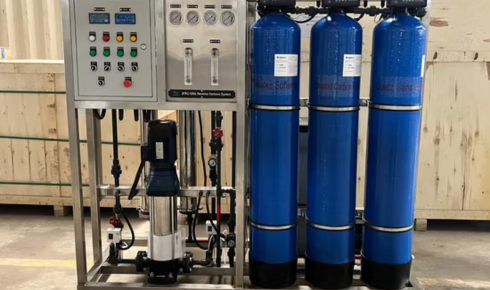
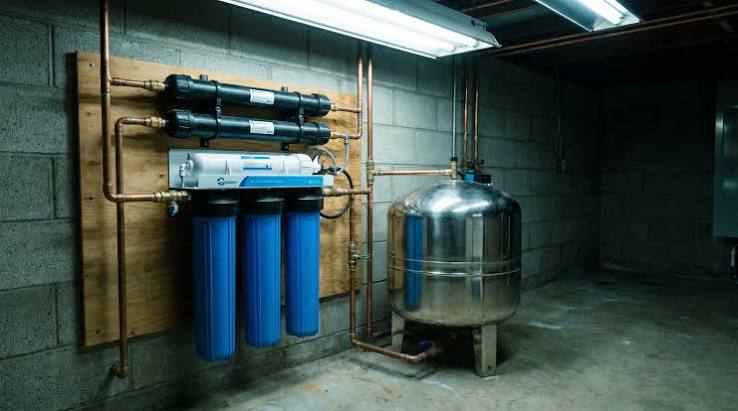
Some homeowners want to improve the water used for bathing, laundry, cleaning, and appliances, not just the water coming from a drinking tap. In that case, whole-home water systems may offer a practical way to address selected water quality concerns at the point where water enters the property.
These systems can include sediment filters, carbon filtration, water softening equipment, or combinations of treatment technologies. The right configuration depends on the incoming supply and the problems identified during testing. A home with noticeable sediment may need a different setup from one experiencing hardness or a persistent chlorine taste.
There are several advantages to treating water at the point of entry. For example, a suitable filtration system may reduce certain unwanted substances throughout the house, while a correctly selected softener can help limit hardness-related deposits in bathrooms and utility areas.
However, whole-house treatment isn’t automatically necessary for every household. Some water supplies already meet drinking water standards and may need little or no additional treatment. Others may benefit from a targeted solution rather than a complicated collection of equipment.
Think about your priorities before making a decision. If your biggest frustration is scale on shower doors and fixtures, start there. If testing identifies a specific contaminant, choose equipment certified and designed to reduce that substance. More equipment doesn’t always mean better results.
Understanding the Benefits of Water Softeners
Hard water is a common concern in many regions, and its effects can become obvious over time. Faucets develop pale deposits, glassware looks spotted after washing, and showerheads gradually collect mineral buildup. Some households also notice that soap produces less lather or that laundry feels stiff after drying.
Water softeners are designed to reduce hardness minerals, usually through an ion-exchange process that replaces calcium and magnesium ions with other ions, commonly sodium. By lowering hardness, a softener can help reduce scale formation in plumbing and water-using appliances.
That can make routine cleaning easier. Homeowners may spend less time scrubbing mineral deposits from fixtures, and appliances such as water heaters may benefit from reduced scale accumulation when the system is correctly selected and maintained. The actual benefits depend on the water conditions, equipment, and how the household uses water.
Softening does have limitations. It doesn’t remove every contaminant, and it shouldn’t be confused with a complete drinking water purification system. People who need to limit sodium intake may also wish to discuss their options with a healthcare professional and consider whether a potassium-based system or another approach is suitable.
Maintenance matters as well. Many conventional softeners require salt replenishment and occasional checks of their settings and components. Choosing the right capacity is important; an undersized system may struggle to meet demand, while a poorly configured unit may use more resources than necessary.
Improving Drinking Water at the Tap
Water used for drinking and cooking deserves its own consideration. Even when the water entering a home is generally suitable for consumption, some people prefer to reduce certain dissolved substances or improve its taste. Others may have a specific water quality concern that calls for targeted treatment.
For households looking for an additional treatment stage at the kitchen tap, reverse osmosis drinking water systems are one option worth exploring. Reverse osmosis pushes water through a semipermeable membrane, reducing many dissolved salts and other substances. Depending on the equipment and its certification, the system may also reduce selected contaminants.
These systems are often installed beneath a kitchen sink and connected to a dedicated faucet. Some models include storage tanks, while others use tankless designs. The choice depends on available space, expected water demand, and personal preferences.
It’s important to check what a particular system is certified to reduce instead of assuming every reverse osmosis unit performs identically. Pretreatment filters and membranes also need replacement according to the manufacturer’s schedule. Ignoring those requirements can affect water quality and reduce system performance.
Reverse osmosis can produce wastewater, too. Efficiency varies between models and depends on operating conditions, so it is sensible to compare water recovery rates when selecting a unit. For some households, a simpler certified filter may be enough to meet their goals.
Installation and Maintenance Shouldn’t Be an Afterthought
Even good equipment can disappoint if it isn’t installed correctly. Water pressure, plumbing layout, drainage access, and available space all influence installation. Some systems also need electricity or a suitable drain connection.
Before committing, ask the installer to explain the recommended equipment, expected maintenance costs, replacement filter prices, and any limitations. A clear estimate should distinguish the initial installation expense from ongoing operating costs.
After installation, keep a record of service visits and filter changes. Check for leaks around connections and pay attention to changes in water taste, flow, or appearance. If something seems unusual, consult the manufacturer’s instructions or a qualified technician rather than making random adjustments.
Make the Decision That Fits Your Home
Choosing water treatment equipment doesn’t have to be complicated, but it does require a little patience. Start with the water you have, identify what you’d like to improve, and compare systems designed for those specific needs.
A family dealing mainly with hard water may benefit from softening equipment, while another household might prioritize drinking water filtration. Some properties need a broader treatment setup, especially when testing identifies several separate concerns. There is no universal solution, and that’s perfectly fine.
The best system is the one that addresses your actual water quality issues, fits your budget, and can be maintained reliably over time. With sensible testing and informed advice, you can make a choice that supports everyday comfort without paying for features you don’t need. Good water treatment should make life easier, not leave you wondering what the equipment is doing or whether it’s worth the expense.