There’s a moment most homeowners know well—you turn on the tap expecting comfort, and instead, you get disappointment. Maybe it’s cold water when you wanted a warm shower. Or worse, that strange metallic smell that makes you pause for a second.
It sounds small, almost trivial. But over time, these everyday annoyances add up. They quietly shape how you experience your home. And if you’ve ever had guests over when the hot water ran out mid-shower… well, you know how awkward that gets.
The Morning Wake-Up Call
For me, it started with inconsistent hot water. Some days it worked perfectly, other days it felt like the system had a mind of its own. At first, I blamed the weather, then the pressure, then pretty much everything except the actual heater.
Turns out, the system I had was aging—and not gracefully.
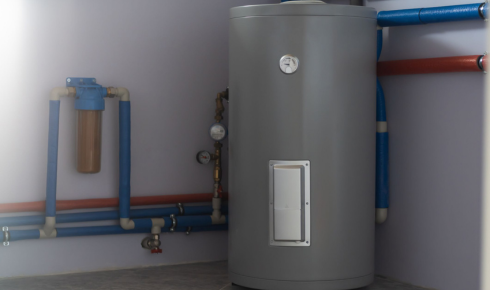
A lot of homes still rely on conventional water heaters, and honestly, they’ve been doing the job for decades. They store hot water in a tank and keep it ready for use. Simple, familiar, reliable… until demand exceeds supply. Then suddenly, someone’s left waiting.
The thing is, these systems aren’t bad. They just have limits. Once you understand those limits, you start to notice when they don’t quite fit your lifestyle anymore.
When Technology Steps In
At some point, I started hearing more about newer options. Systems that heat water on demand instead of storing it. It sounded almost too good to be true—endless hot water, lower energy usage, less space.
That’s where tankless water heaters come into the conversation.
They don’t keep a reserve of hot water. Instead, they heat water as it flows through the unit. So theoretically, you can shower, run the dishwasher, and still have hot water left. No waiting, no rationing.
But—and there’s always a but—they’re not a one-size-fits-all solution. Installation costs can be higher, and depending on your home’s setup, you might need upgrades to support them. It’s one of those decisions where you have to think long-term rather than just upfront.
Still, for many people, the switch makes sense. It’s less about luxury and more about consistency.
The Water You Don’t See
Hot water isn’t the only factor that affects your daily experience. There’s also the quality of the water itself—something most of us don’t think about until it starts causing problems.
Dry skin, dull hair, stubborn stains on fixtures… these are often signs of hard water. It’s not dangerous, but it’s definitely annoying.
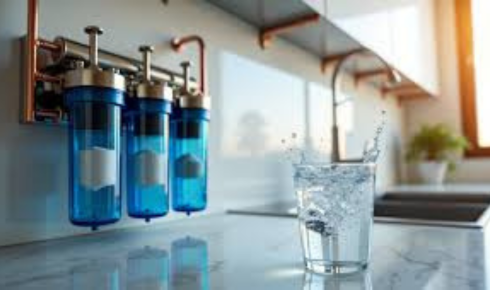
That’s where water softeners quietly do their job. They reduce mineral content in your water, making it gentler on your skin, your clothes, and even your plumbing system.
It’s one of those upgrades that doesn’t feel dramatic at first. But over time, you notice the difference. Soap lathers better. Appliances last longer. Even cleaning becomes a bit easier.
Finding What Works for You
If there’s one thing I’ve realized, it’s this: there’s no “perfect” system—only the right system for your home.
Some households benefit from sticking with traditional setups, especially if usage is predictable. Others need flexibility and efficiency, which modern systems can offer. And then there are those small but meaningful additions, like water softening, that improve overall comfort without drawing much attention.
The key is understanding your own needs. How many people live in your home? How often do you use hot water at the same time? What’s your budget—not just for installation, but for maintenance over time?
These questions matter more than brand names or flashy features.
The Role of Professional Advice
It’s tempting to make decisions based on online reviews or quick comparisons. And while that’s a good starting point, nothing really replaces expert advice.
A good plumber doesn’t just install equipment—they evaluate your home’s setup, your usage patterns, and even the quality of your local water supply. They help you connect the dots in a way that makes sense.
And honestly, that guidance can save you from making an expensive mistake.
Small Changes, Big Impact
Upgrading your water system might not sound exciting. It’s not like renovating a kitchen or redesigning a living room. But the impact? It’s surprisingly noticeable.
Better showers. More reliable routines. Fewer unexpected issues. It’s the kind of improvement that blends into your daily life so smoothly, you almost forget it wasn’t always like this.
Final Thoughts
Homes are made up of systems we rarely think about—until they stop working the way we expect. Water, in particular, has a quiet but powerful role in shaping comfort.
Whether it’s choosing between different heating systems or improving water quality, the goal isn’t perfection. It’s reliability. It’s knowing that when you turn on the tap, things will work the way they should.
And sometimes, that’s all we really want—simple, consistent comfort, flowing exactly when we need it.