Saturday morning rolls around, and instead of relaxing with a cup of coffee, you’re scrubbing white deposits from the bathroom faucet again. The shower door looks cloudy, the kettle needs descaling, and your freshly washed towels feel a little rough. Sound familiar? These everyday frustrations are often connected to the mineral content of your household water.
For homeowners exploring water softener systems in lancaster, finding the right equipment can make a meaningful difference in household maintenance, appliance care, and everyday comfort.
Hard water doesn’t necessarily mean your water is unsafe to drink. However, its effects on plumbing, cleaning routines, and household equipment can become increasingly inconvenient over time. Fortunately, managing excessive hardness doesn’t have to be complicated.
Why Hard Water Leaves Its Mark Around Your Home
Water naturally absorbs minerals as it moves through underground soil and rock formations. Calcium and magnesium are primarily responsible for hardness, although their concentrations vary depending on the water source.
When water evaporates, these minerals can remain behind, leaving chalky deposits on sinks, faucets, and shower doors. Heating water can also encourage scale formation inside kettles and water heaters.
The frustrating part? Cleaning those surfaces doesn’t prevent the deposits from returning.
Whether your Lancaster home receives municipal water or relies on a private well, measuring hardness is a sensible starting point. Knowing the mineral concentration makes it easier to determine whether softening would provide worthwhile benefits.
Addressing Hardness Instead of Constantly Cleaning Up After It
There are plenty of products designed to remove limescale. Vinegar, specialized cleaning sprays, and descaling solutions can all be useful, but they only address deposits that have already formed.
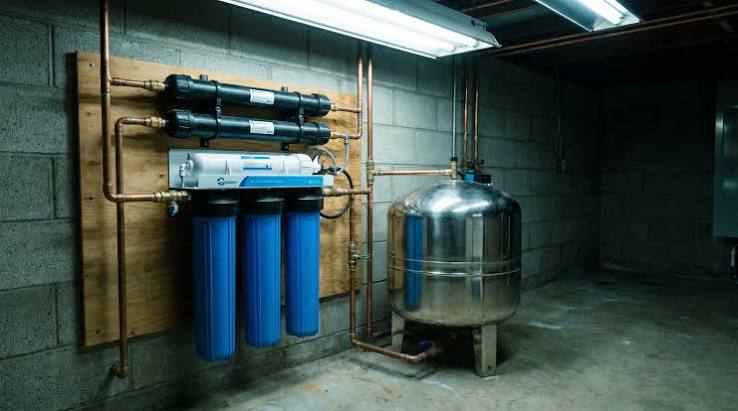
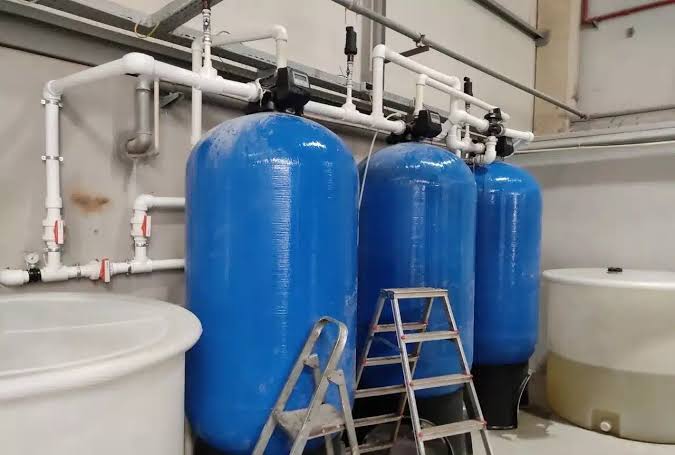
Effective hard water treatment solutions focus on reducing dissolved hardness minerals before water reaches connected household fixtures and appliances.
Conventional water softeners achieve this through ion exchange. Specialized resin beads exchange calcium and magnesium ions for sodium or, in compatible systems, potassium ions.
The resin periodically undergoes regeneration to restore its softening capacity.
Most residential systems manage this process automatically. Once properly installed and configured, the equipment quietly performs its function without requiring much daily attention from homeowners.
Taking Better Care of Your Household Appliances
Replacing a water heater isn’t something most people look forward to. Neither is paying for unexpected dishwasher repairs, especially when other household expenses are already piling up.
One practical way to reduce hard water problems is to address excessive mineral concentrations before water enters the appliances you depend on.
Scale accumulation inside water-heating equipment may interfere with heat transfer and increase maintenance requirements. Mineral deposits can also affect smaller plumbing components.
Suitable softening helps limit new scale formation, although it cannot automatically reverse existing damage.
If you’re renovating your kitchen or investing in new laundry equipment, assessing your water hardness beforehand is worth considering.
It’s a small precaution that can complement your existing appliance maintenance routine.
What Softer Water Can Mean for Laundry and Cleaning
Think about your favorite bath towel. When it was new, it probably felt wonderfully soft. After countless washes, though, it might feel noticeably rougher.
Hardness minerals can interfere with certain soaps and detergents, making everyday cleaning less effective.
With softened water, soap may lather more readily, and homeowners may need to adjust detergent quantities according to product recommendations. Bathroom maintenance can also become more manageable as fewer new hardness-related deposits accumulate.
Does this mean you’ll never need to scrub the shower again? Not quite.
Still, there’s a welcome difference between ordinary cleaning and repeatedly battling stubborn mineral deposits. For busy families, that difference can be genuinely worthwhile.
Choosing a Water Softener That Fits Your Lancaster Home
Not every household requires the same treatment capacity. A family with three children and several bathrooms will naturally use water differently from a retired couple living in a smaller property.
When comparing equipment, consider measured hardness, daily water consumption, available installation space, and peak household demand.
Demand-initiated softeners monitor water usage and regenerate according to programmed settings and remaining treatment capacity. This can help avoid unnecessary regeneration compared with fixed-time scheduling.
Maintenance accessibility matters, too. A conveniently positioned brine tank makes replenishing salt considerably easier.
Ask about documented efficiency, warranty coverage, and ongoing operating expenses before purchasing equipment. The biggest or most expensive system isn’t necessarily the best fit for your family.
Keeping Your Water Softener Working Reliably
A water softener is easy to forget about when everything is working properly. However, a few simple maintenance habits can help preserve its performance.
Check salt levels according to manufacturer recommendations, monitor changes in water hardness, and arrange professional servicing when necessary.
If mineral deposits suddenly return, investigate possible causes rather than assuming the equipment needs replacing.
Private well owners should also maintain a separate laboratory testing schedule, including annual assessments for bacteria and nitrate.
Remember, water softening isn’t comprehensive drinking water purification. Additional filtration or specialized treatment may be necessary if testing identifies unrelated concerns.
Understanding what your equipment can and cannot accomplish helps you manage your water more effectively.
Enjoying Everyday Comfort With Softer Water
For homeowners throughout Lancaster and Southeastern Pennsylvania, managing excessive hardness is about more than keeping faucets looking attractive.
It’s about making laundry day easier, supporting appliance maintenance, and spending less time dealing with recurring mineral deposits.
Start with reliable hardness testing, choose appropriately sized equipment, and establish a maintenance routine that fits your lifestyle.
Your home should be somewhere you can unwind and enjoy life’s ordinary moments. Sometimes, the most valuable improvements are the ones that quietly remove everyday frustrations.
And if softer water means spending a little less of your Saturday morning scrubbing bathroom fixtures, that’s certainly a change worth welcoming.